45 Antiquities Seized from the Metropolitan Museum of Art: Provenance, Repatriation, and the Importance of Due Diligence
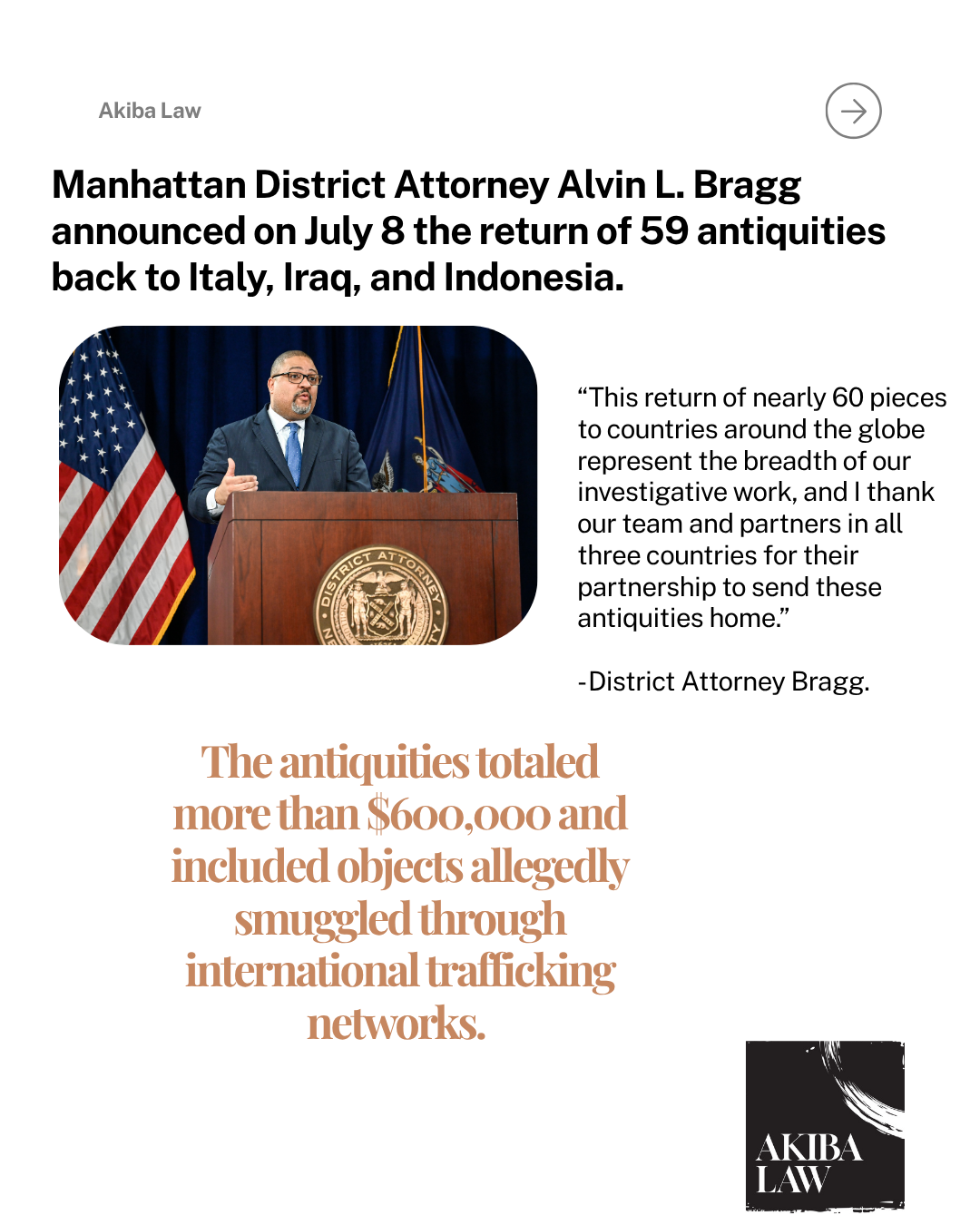
On July 8, 2026, the Manhattan District Attorney’s Office announced the return of 59 antiquities, collectively valued at more than $600,000, to Italy, Iraq, and Indonesia. The repatriations included 48 objects returned to Italy, 45 of which had been seized from the Metropolitan Museum of Art; nine antiquities returned to Iraq; and two culturally significant human skulls returned to Indonesia.
The announcement illustrates an important feature of the antiquities market: an object’s presence in a prominent collection does not eliminate questions about title, provenance, export history, or the circumstances under which it entered the market. Those questions can remain unresolved for years and may resurface long after an acquisition.
“This return of nearly 60 pieces to countries around the globe represent the breadth of our investigative work, and I thank our team and partners in all three countries for their partnership to send these antiquities home.”
– District Attorney Bragg.
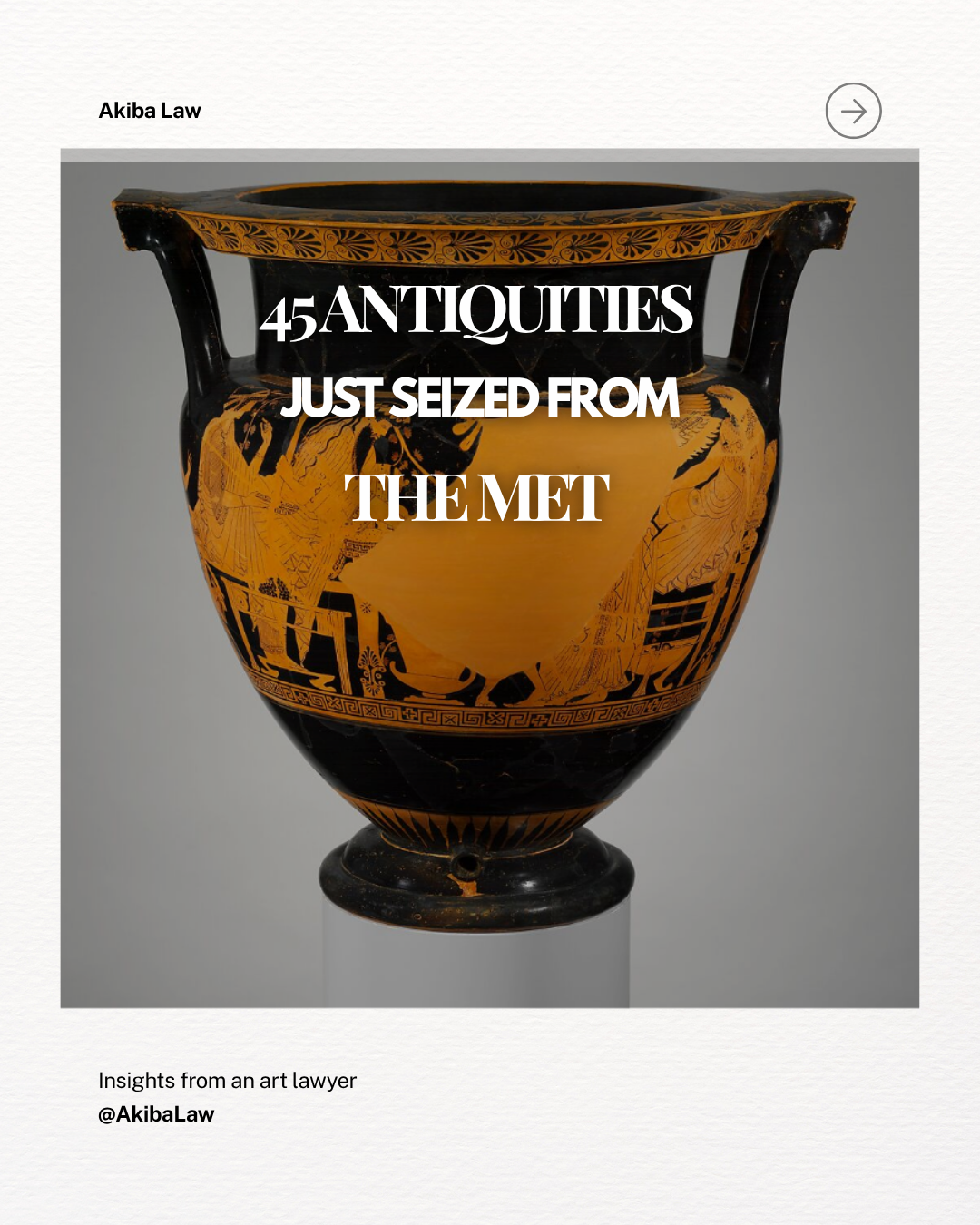
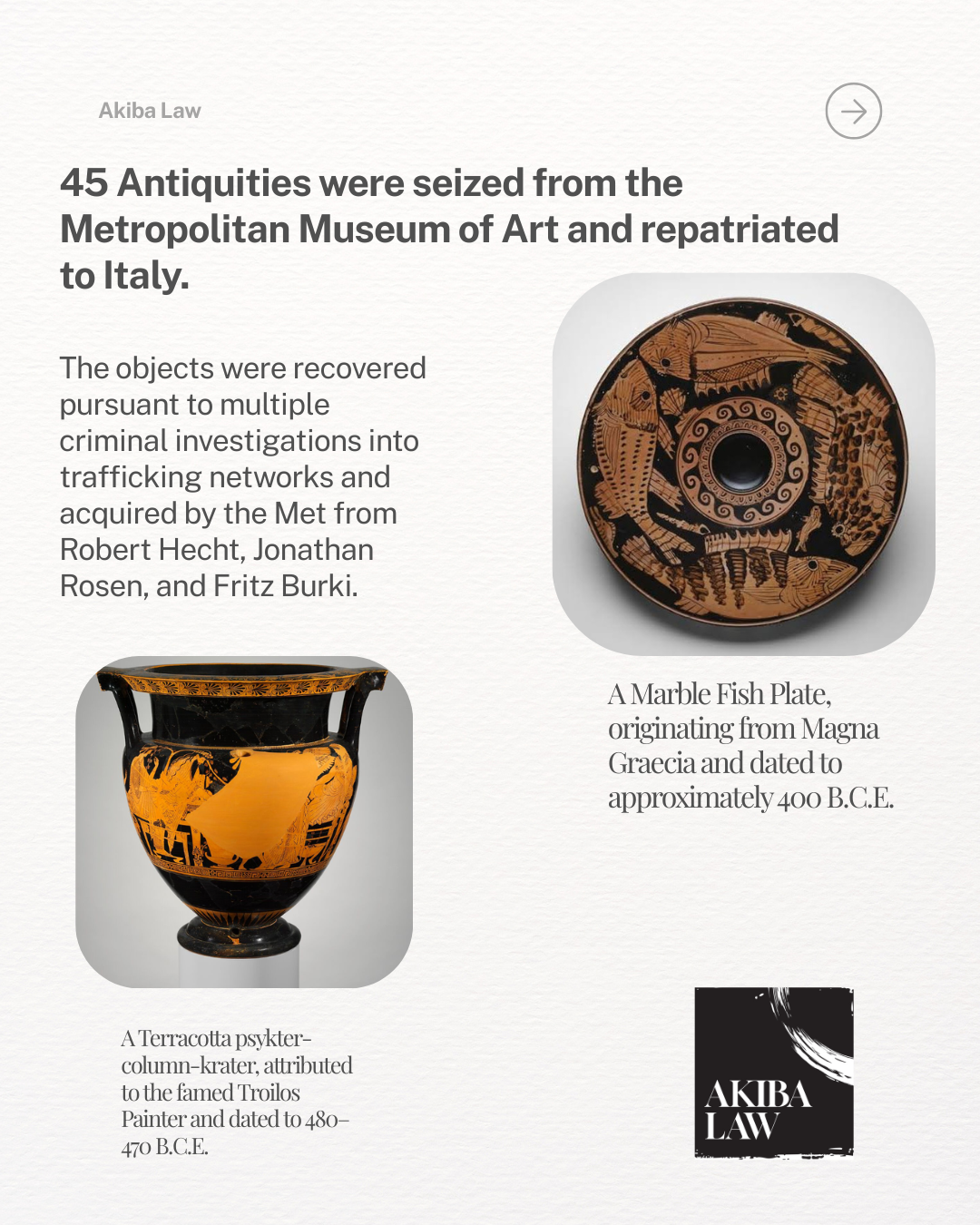
Among the objects returned to Italy were a terracotta vessel attributed to the Troilos Painter and a marble fish plate dating to approximately 400 B.C.E. The District Attorney’s Office reported that both had remained at the Met until they were seized earlier in 2026 as part of investigations involving antiquities-trafficking networks.
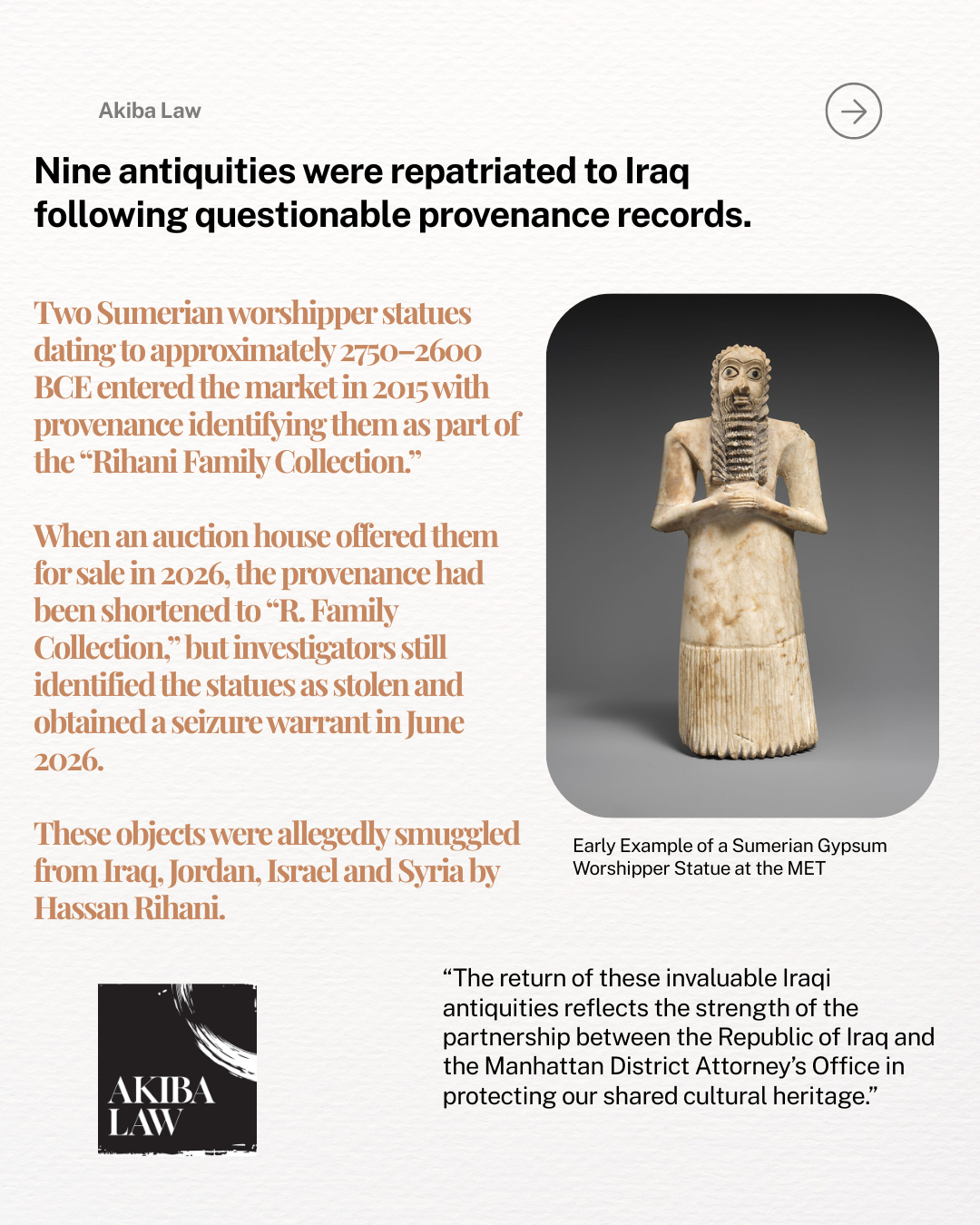
The Iraqi repatriation included two Sumerian worshipper statues that entered the market in 2015 with provenance identifying them as part of the “Rihani Family Collection.” According to the District Attorney’s Office, an auction house later offered the statues with the abbreviated provenance “R. Family Collection,” but investigators identified them as stolen and obtained a seizure warrant in June 2026.
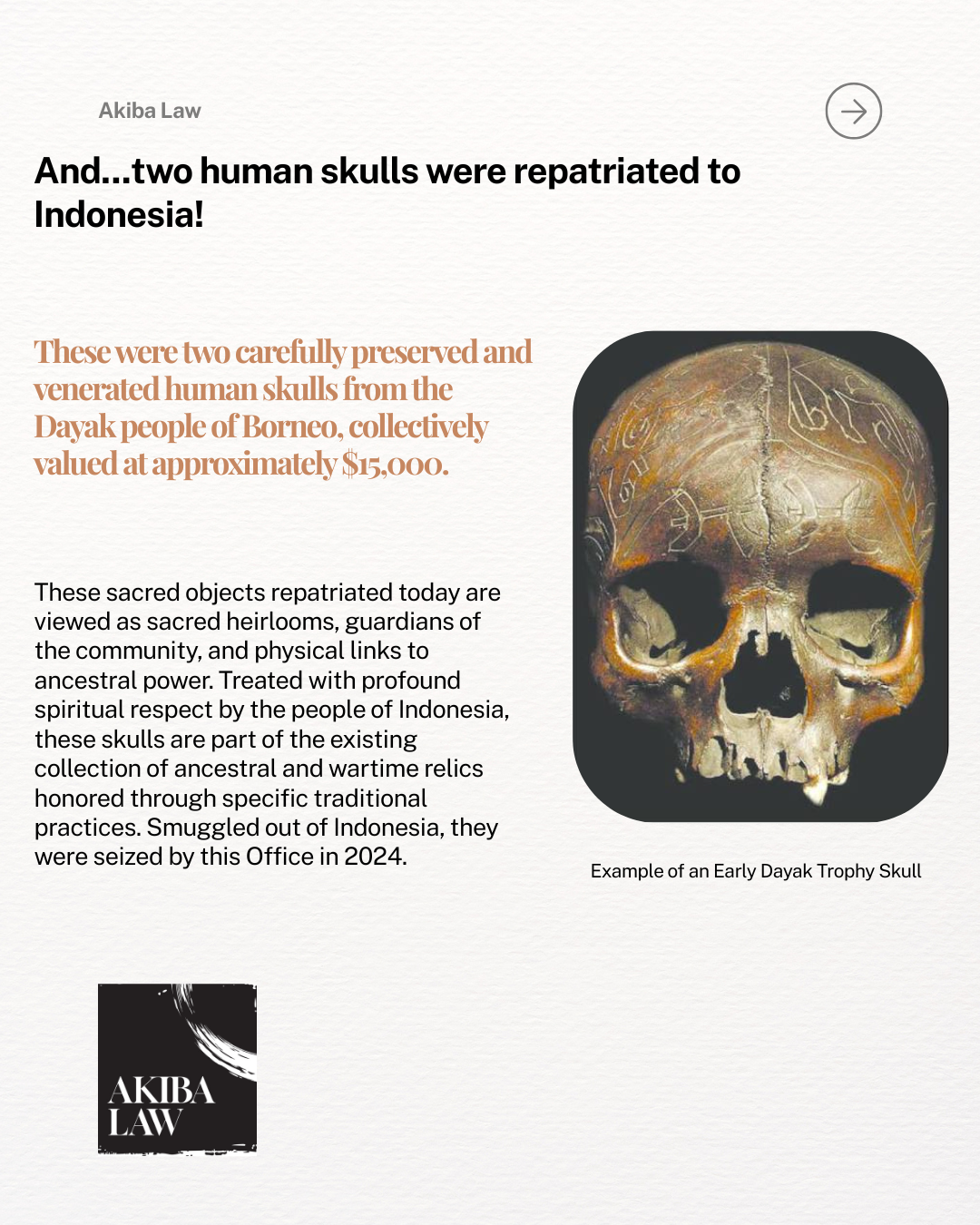
The Indonesian repatriation involved two preserved and venerated human skulls from the Dayak people of Borneo. The District Attorney’s Office described the objects as sacred heirlooms and links to ancestral power, and reported that they had been smuggled from Indonesia and seized in 2024.
The following slides summarize the repatriations and explain why a provenance statement should be treated as the beginning of an inquiry rather than conclusive evidence of lawful ownership.
Provenance Is More Than a List of Prior Owners
Provenance describes an object’s ownership and custody history. A provenance record may identify previous collectors, dealers, galleries, auction houses, museums, exhibitions, or publications associated with the object.
A credible provenance, however, should be supported by evidence. That evidence may include invoices, collection records, export permits, customs documents, photographs, correspondence, insurance schedules, auction catalogs, exhibition histories, and estate records.
A polished provenance statement does not necessarily establish that each transfer was lawful. Names, dates, and collection descriptions should be tested against the underlying documents and against other available information about the object.
Gaps and Changes in the Record Deserve Attention
Unexplained gaps are particularly important when an object may have left its country of origin during a period of conflict, political instability, widespread looting, or increased trafficking.
Changes in the way a collection is identified may also warrant further investigation. An abbreviated name, vague reference to a “private collection,” or removal of previously disclosed information does not automatically establish misconduct. It may, however, make it more difficult to verify the object’s history and should prompt additional questions.
The provenance history described for the Sumerian statues is a useful example. According to the District Attorney’s Office, the objects were initially associated with the “Rihani Family Collection” and were later offered with the shortened description “R. Family Collection.” Investigators nevertheless connected the statues to stolen property and obtained a seizure warrant.
Museum Possession Is Not a Substitute for Due Diligence
Buyers should not assume that an object is free from legal risk merely because it was previously owned, exhibited, or accepted by a respected institution. Institutional possession may be relevant to an object’s history, but it does not independently resolve every question involving theft, lawful export, importation, ownership, or trafficking.
The Italian repatriation underscores that point. The Manhattan District Attorney’s Office reported that 45 of the 48 objects returned to Italy had been seized from the Met. Some of the highlighted works had remained in the museum’s collection until their seizure earlier in 2026.
A prospective purchaser should therefore evaluate the object itself and the evidence supporting its history rather than relying exclusively on the reputation of a prior owner.
Due Diligence Should Follow the Object Across Borders
Antiquities frequently pass through multiple countries, dealers, collections, and auction houses before reaching a buyer. Each movement may generate records that help confirm or challenge the stated provenance.
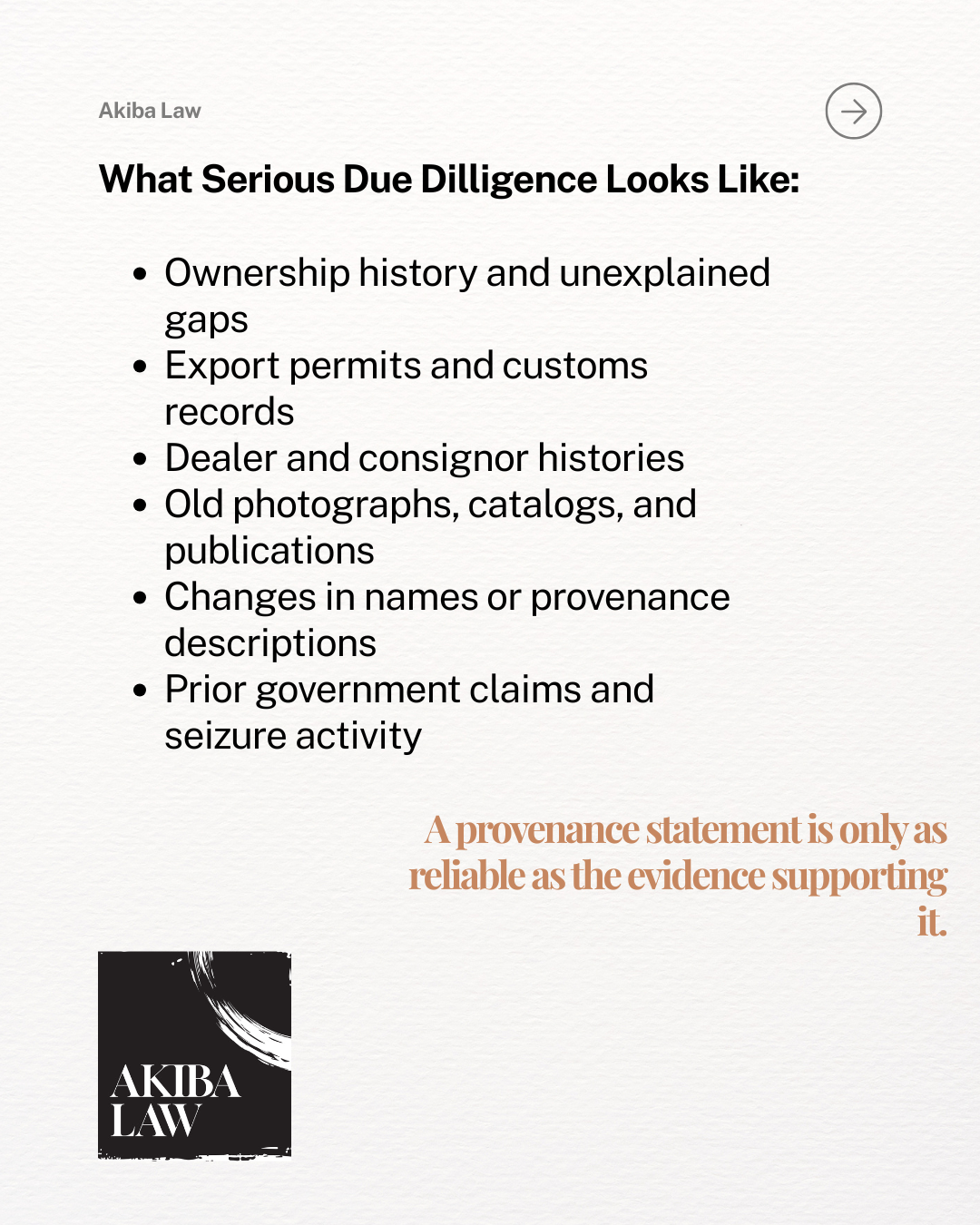
A meaningful review may include:
- Examining the complete ownership history and investigating unexplained gaps
- Comparing the provenance against old photographs, catalogs, publications, and collection inventories
- Reviewing export permits, customs documentation, and import records
- Researching dealers, consignors, intermediaries, and prior owners
- Checking databases and publicly reported government claims, seizures, and repatriations
- Identifying changes in names, dates, locations, and collection descriptions
- Evaluating whether the object’s history is consistent with the laws and circumstances of the relevant countries
The appropriate level of review will depend on the type, age, value, origin, and available history of the object. A lack of documentation may itself affect whether a purchaser is willing to proceed and on what terms.
The Purchase Agreement Should Address Provenance Risk
Due diligence should be reflected in the transaction documents. Depending on the circumstances, a purchaser may seek representations concerning ownership, authority to sell, lawful export and import, prior claims, liens, authenticity, and the completeness of the disclosed provenance.
The agreement may also address:
- The seller’s obligation to provide supporting records
- Disclosure of prior government inquiries or ownership claims
- Cooperation if a third party challenges title
- Indemnification for inaccurate representations
- Refund or rescission rights
- Responsibility for legal fees, storage, transportation, and surrender
- The handling of confidential provenance information.
Contractual protections cannot prevent a government investigation or guarantee that an object will never be challenged. They can allocate risk and establish remedies between the parties if the information supplied during the transaction later proves inaccurate or incomplete.
Human Remains and Sacred Objects Require Heightened Care
Transactions involving human remains, funerary material, sacred objects, and culturally sensitive items present concerns extending beyond conventional questions of price and title.
Collectors and institutions should carefully examine the object’s origin, cultural significance, method of removal, applicable laws, community interests, and any prior or pending requests for return. Reputational and ethical considerations may remain significant even where the available documentation appears facially complete.
The District Attorney’s Office described the two Dayak skulls returned to Indonesia as sacred heirlooms, guardians of the community, and physical links to ancestral power. Their repatriation demonstrates why culturally sensitive objects require a more careful inquiry into context and origin.
Provenance Is Part of the Asset
For an antiquity, provenance affects more than historical interest. It may influence ownership risk, marketability, insurability, financing, valuation, exhibition opportunities, and the ability to resell or donate the object.
An incomplete or unsupported provenance can therefore diminish the practical value of the object even before a formal claim arises. Conversely, a carefully documented history can provide buyers, sellers, museums, insurers, and lenders with a stronger basis for evaluating the transaction.
The central lesson is straightforward: possession is not the same as certainty. Serious antiquities transactions require a documented and independently tested account of how the object reached the market.
Akiba Law assists collectors, galleries, dealers, auction professionals, museums, and art advisors with provenance review, cultural-property matters, purchase and sale agreements, consignments, art loans, and disputes involving ownership and title.
warning Disclaimer
This article is for general educational and informational purposes only and does not constitute legal advice. Reading this article does not create an attorney-client relationship with Akiba Law PLLC or any attorney. Florida law may apply differently depending on the specific facts, legal issues, and parties involved. Individuals and businesses should consult qualified legal counsel about their specific circumstances. For questions, concerns, or additional information, please contact Akiba Law PLLC to speak with a qualified attorney.
From a Real Estate Listing to Restitution: Argentina Orders Return of Nazi-Looted Old Master to Sole Remaining Heir of Jacques Goudstikker
More than eighty years after an Old Master painting disappeared during the Nazi era, an Argentine court has ordered its…

Case Update: Solar Drops Second Gang Starr Lawsuit After Judge Questions Prospect of Duplicative Litigation
When I first wrote about the latest chapter in the legal battle surrounding Gang Starr in September 2025, producer John…

Art Law in Florida: A Practitioner’s Handbook
Akiba Law PLLC is a Miami-based law firm advising artists, collectors, galleries, dealers, auction businesses, museums, and creative entrepreneurs on…

2 Live Crew Tried to Take Back Its Copyrights. A Decades-Old Bankruptcy Got in the Way.
Copyright ownership can last for decades, and the Copyright Act gives many creators an unusual second chance to revisit deals…
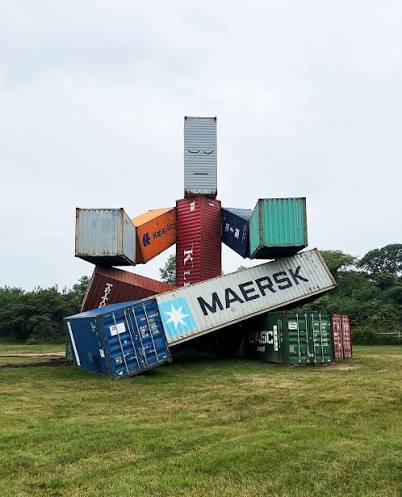
When Does a Sculpture Become a Building? East Hampton’s Lawsuit Over Matt Johnson’s Meditating Figure
Large-scale public and private art installations can raise issues well beyond copyright, contracts, and exhibition agreements. Once an artwork reaches…

Eden Gallery Sues Collector Over Alleged $822,390 Unpaid Balance: Lessons for Art Sales on Credit
High-value art transactions are often built on relationships. A collector may purchase repeatedly from the same gallery, payments may be…
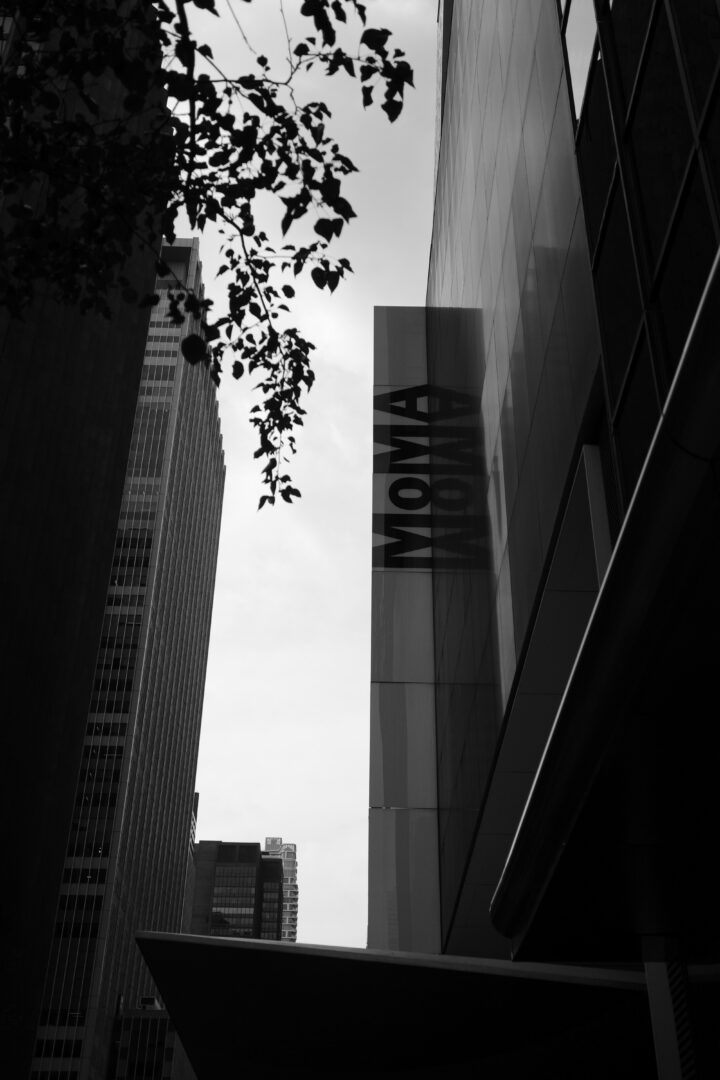
MoMA v. MOMACHA: Trademark Strength, Brand Similarity, and Consumer Confusion
A trademark dispute does not always begin with two businesses offering the same product. Confusion can arise when a newer…

When a $2.5 Million Art Loan Ends in Litigation: Lessons for Galleries, Curators, and Property Owners
Long-term art placements can benefit everyone involved. Galleries gain access to potential collectors, property owners enhance their spaces, and residents…

When a Gallery Sells Consigned Art but Does Not Pay the Artist: The Hole Lawsuit and New York’s Trust-Fund Rules
An artwork consignment is not simply an informal arrangement in which a gallery agrees to sell a work and pay…
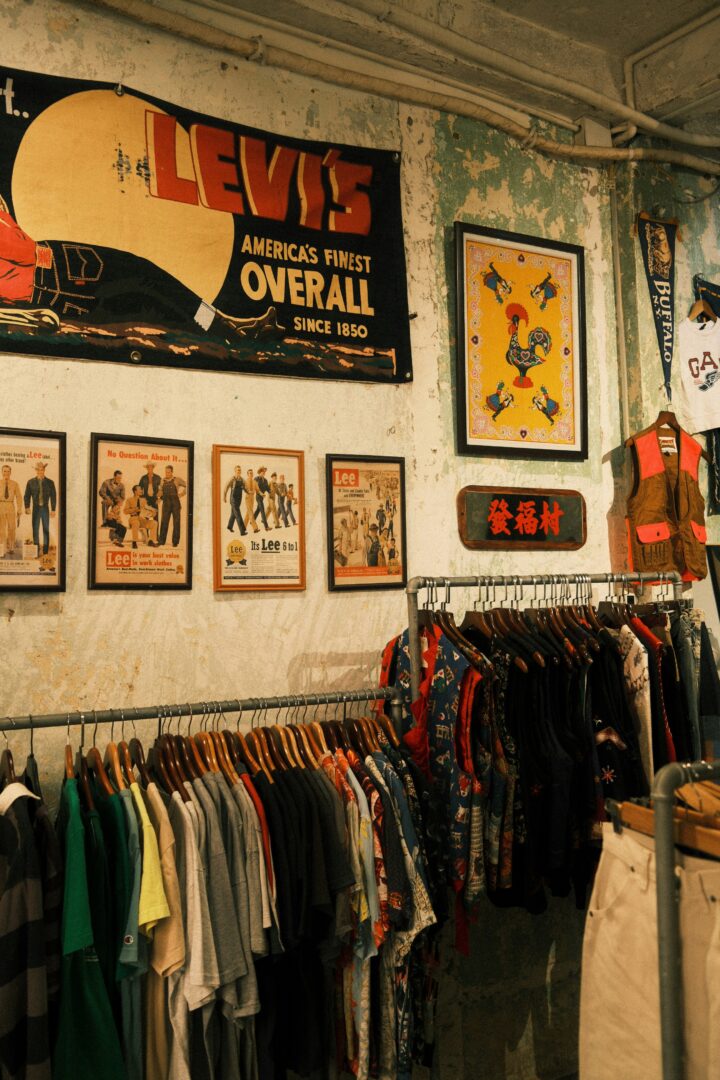
Your Logo Is on the Shirt. Does That Count as Trademark Use?
Launching a clothing brand involves more than creating a name, designing a logo, and placing it on a garment. How…

Florida Interior Designers and Decorators: Are You Regulated? Do You Need a License?
Interior designers and decorators in Florida often face a practical question: am I subject to Florida regulation, and do I…
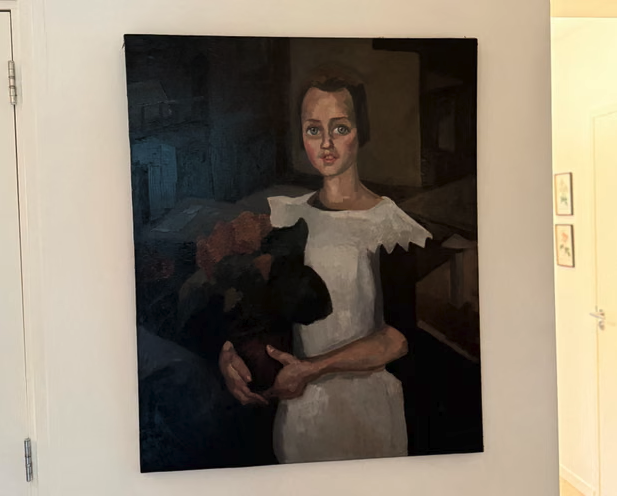
Jacques Goudstikker’s Stolen Collection Is Still Being Found and Returned
Restitution can’t undo the Holocaust but it can return what was taken and every returned work matters. A Nazi-looted painting…