Matthew Akiba Published in The Florida Bar’s International Law Quarterly on Cultural Property Forfeiture
Akiba Law is pleased to share that Matthew Akiba’s article, “When Cultural Property Becomes the Defendant: The Claws Behind Cultural Property Forfeiture Actions in the United States,” has been published in the Fall 2026 edition of The Florida Bar’s International Law Quarterly (ILQ).
Matthew had the pleasure of co-authoring the article with Clarissa A. Rodriguez, a partner at Harper Meyer and a Florida Bar board-certified expert in international law. With nearly two decades of experience in art law, international law, and dispute resolution, Clarissa brings a valuable perspective to the legal challenges facing the international art market.
The article examines the legal framework governing cultural property seizures and civil forfeiture actions in the United States, with particular attention to the rights of art collectors, galleries, dealers, and other owners or custodians of cultural property.
When Art and Cultural Property Become the Subject of Forfeiture
In a federal civil forfeiture proceeding involving cultural property, the artwork or object itself becomes the named defendant. Even an owner with a bill of sale, years of possession, and a good-faith belief in lawful ownership may face a government seizure and forfeiture action.
These proceedings can have significant consequences, including disrupted sales, disputed ownership, financial losses, and reputational damage.
The paper explores how U.S. law governs these disputes, the government’s burden of proof, and the statutory defenses and procedural protections available to those seeking to contest forfeiture.
Key Topics Covered in the Article
1. The UNESCO Convention: Framework, Not Cause of Action
The paper begins by examining the United Nations Convention on the Means of Prohibiting and Preventing the Illicit Import, Export and Transfer of Ownership of Cultural Property (the “1970 UNESCO Convention” or “Convention”), which establishes an international framework for combating the illicit trafficking of cultural property.
Although the Convention encourages international cooperation and the recovery of stolen cultural objects, it is not self-executing in the United States. Accordingly, the Convention alone does not authorize a domestic forfeiture action.
The article explains how the Cultural Property Implementation Act (CPIA) gives effect to the Convention under U.S. law and why understanding the distinction between the two is essential when evaluating cultural property claims.
2. The CPIA’s Two Forfeiture Tracks
The article then examines the two separate statutory frameworks under which the United States may pursue forfeiture of cultural objects.
Designated Archaeological or Ethnological Material: This framework generally concerns materials subject to specific import restrictions established through international agreements or emergency measures. The article examines the statutory requirements, designated lists, relevant export dates, and documentation that may determine whether an object is subject to forfeiture.
Stolen Cultural Property: The second framework concerns cultural property stolen from museums, public monuments, religious institutions, and similar institutions. Unlike the first framework, these claims require proof relating to institutional inventories and the timing of the alleged theft.
The article also discusses judicial decisions involving historical paintings and manuscripts that illustrate how courts apply these requirements.
3. Who Bears the Burden of Proof?
One of the more important aspects of cultural property forfeiture litigation is its distinctive burden-shifting framework.
The article examines why the burden of proof differs from that applicable in many other federal civil forfeiture proceedings, what the government must initially establish under the CPIA, and when the burden shifts to the claimant.
Understanding these requirements is critical when assessing whether the government has adequately supported its forfeiture claim.
4. Procedure Matters: Supplemental Rule G
The article also addresses the procedural requirements governing federal civil forfeiture proceedings under Supplemental Rule G of the Federal Rules of Civil Procedure.
These rules govern the filing of forfeiture complaints, notice to potential claimants, the submission of verified claims, and deadlines for responding.
The paper explains why compliance with these procedural requirements is particularly important for individuals and businesses seeking to contest the seizure of artwork, antiquities, manuscripts, or other cultural objects.
5. Defenses and Exemptions to Cultural Property Forfeiture
Finally, the paper examines the statutory exemptions and defenses potentially available under the CPIA, including those involving prior exportation, long-term possession in the United States, qualifying exhibitions, and innocent purchasers.
It also analyzes the limitations of the innocent-purchaser defense and explain why purchasing an artwork in good faith does not necessarily prevent its forfeiture.
The discussion highlights the importance of art provenance research, ownership documentation, and due diligence in the acquisition and sale of cultural property.
Why This Matters for the International Art Market
Cultural property forfeiture proceedings sit at the intersection of art law, international law, customs law, and federal litigation.
For art collectors, galleries, auction houses, and dealers engaged in international art transactions, understanding the applicable legal framework can be essential to protecting valuable assets and addressing allegations of illicit importation or stolen cultural property.
The article offers a practical examination of these issues, emphasizing the importance of identifying the precise statutory basis for forfeiture, examining the relevant history of the object, and evaluating the available evidence and defenses.
Matthew’s Continued Involvement With The Florida Bar’s International Law Section
This publication is particularly meaningful to Matthew given his longstanding involvement with The Florida Bar’s International Law Section (ILS).
Matthew has been involved with the ILS since law school and previously served as Chair of the ILS Gazette Committee. He currently serve on the Section’s Executive Council and as a Special Features Editor of the International Law Quarterly.
The Section has been an important part of Matthew’s professional development, and he values the opportunity to continue contributing to its publications and initiatives alongside fellow international law practitioners.
Akiba Law invites you to read the full article, “When Cultural Property Becomes the Defendant: The Claws Behind Cultural Property Forfeiture Actions in the United States,” in the Fall 2026 edition of The Florida Bar’s International Law Quarterly, beginning on page 18 and continuing on page 50.
warning Disclaimer
This article is for general educational and informational purposes only and does not constitute legal advice. Reading this article does not create an attorney-client relationship with Akiba Law PLLC or any attorney. Florida law may apply differently depending on the specific facts, legal issues, and parties involved. Individuals and businesses should consult qualified legal counsel about their specific circumstances. For questions, concerns, or additional information, please contact Akiba Law PLLC to speak with a qualified attorney.

Matthew Akiba Joins The Rainmakers Network Podcast to Discuss Art Law, Entrepreneurship, and Building a Niche Law Firm
Matthew Akiba, recently joined Eric Rosen of Rosen Injury Law on The Rainmakers Network Podcast to discuss the world of…
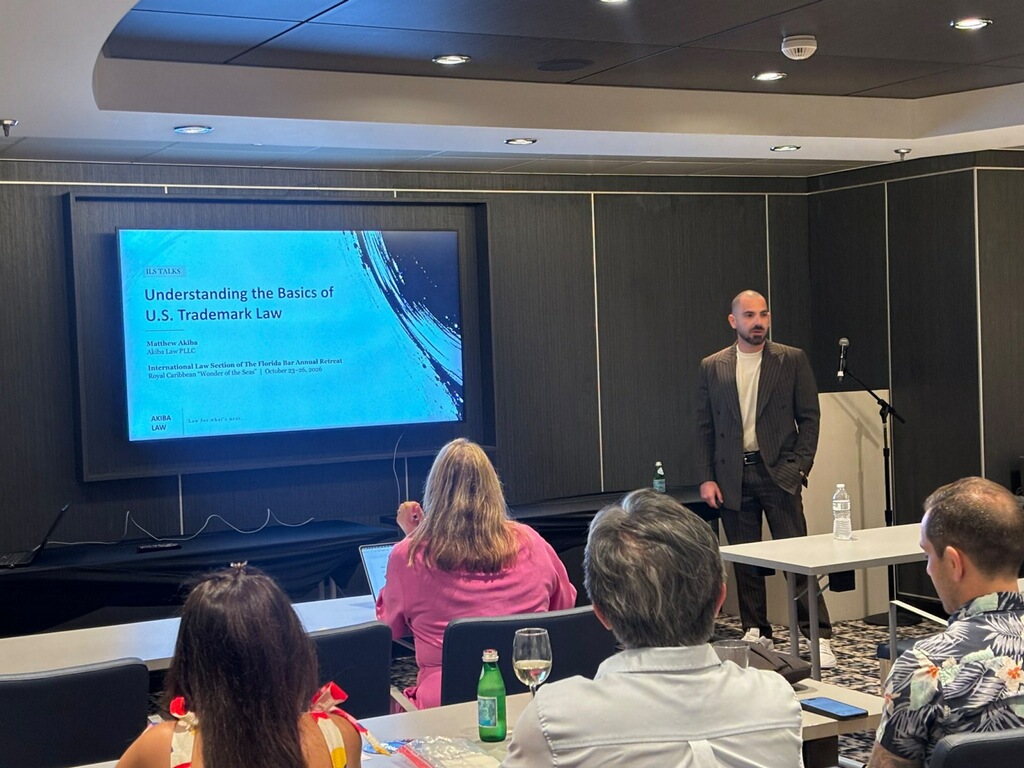
Matthew Akiba Presents on U.S. Trademark Law at The Florida Bar International Law Section Annual Retreat
Akiba Law founder Matthew Akiba recently presented “Understanding the Basics of U.S. Trademark Law” during the International Law Section of…

From a Real Estate Listing to Restitution: Argentina Orders Return of Nazi-Looted Old Master to Sole Remaining Heir of Jacques Goudstikker
More than eighty years after an Old Master painting disappeared during the Nazi era, an Argentine court has ordered its…

Case Update: Solar Drops Second Gang Starr Lawsuit After Judge Questions Prospect of Duplicative Litigation
When I first wrote about the latest chapter in the legal battle surrounding Gang Starr in September 2025, producer John…

Art Law in Florida: A Practitioner’s Handbook
Akiba Law PLLC is a Miami-based law firm advising artists, collectors, galleries, dealers, auction businesses, museums, and creative entrepreneurs on…

2 Live Crew Tried to Take Back Its Copyrights. A Decades-Old Bankruptcy Got in the Way.
Copyright ownership can last for decades, and the Copyright Act gives many creators an unusual second chance to revisit deals…

When Does a Sculpture Become a Building? East Hampton’s Lawsuit Over Matt Johnson’s Meditating Figure
Large-scale public and private art installations can raise issues well beyond copyright, contracts, and exhibition agreements. Once an artwork reaches…
Eden Gallery Sues Collector Over Alleged $822,390 Unpaid Balance: Lessons for Art Sales on Credit
High-value art transactions are often built on relationships. A collector may purchase repeatedly from the same gallery, payments may be…
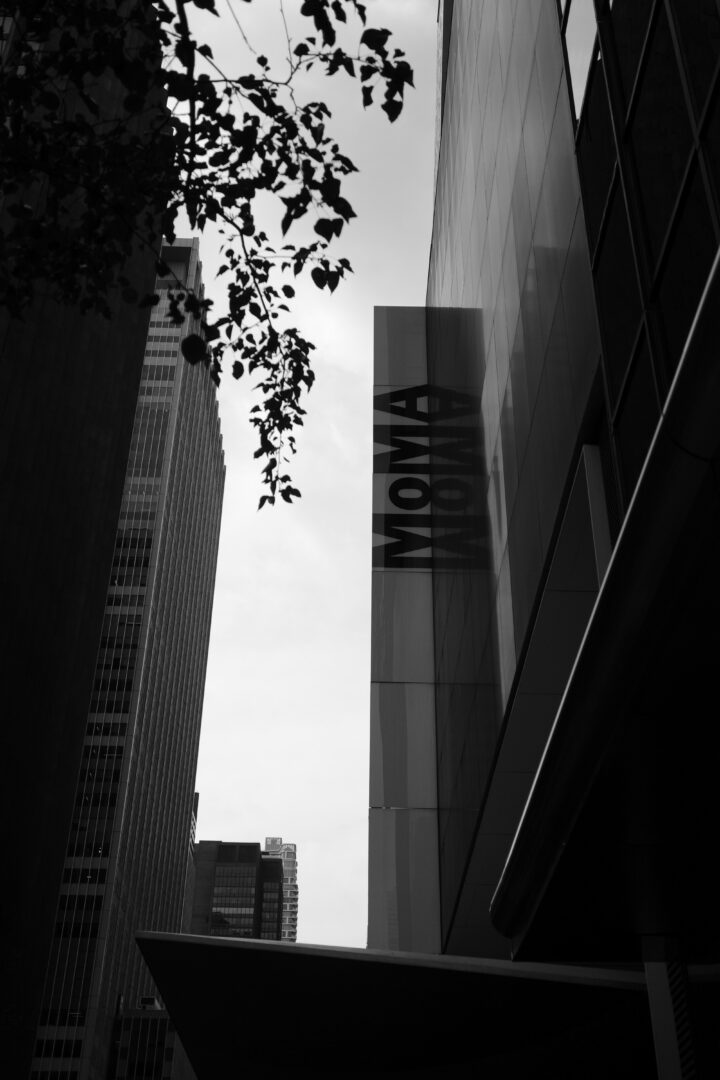
MoMA v. MOMACHA: Trademark Strength, Brand Similarity, and Consumer Confusion
A trademark dispute does not always begin with two businesses offering the same product. Confusion can arise when a newer…

When a $2.5 Million Art Loan Ends in Litigation: Lessons for Galleries, Curators, and Property Owners
Long-term art placements can benefit everyone involved. Galleries gain access to potential collectors, property owners enhance their spaces, and residents…

When a Gallery Sells Consigned Art but Does Not Pay the Artist: The Hole Lawsuit and New York’s Trust-Fund Rules
An artwork consignment is not simply an informal arrangement in which a gallery agrees to sell a work and pay…

Your Logo Is on the Shirt. Does That Count as Trademark Use?
Launching a clothing brand involves more than creating a name, designing a logo, and placing it on a garment. How…