A Consignment Agreement Is Not Just Paperwork
Consignment arrangements often look simple on the surface.
An artist, collector, or owner delivers artwork to a gallery, dealer, or intermediary for sale. Everyone assumes the piece will be marketed, the deal will get done, and the money will flow the way it should.
But that is exactly where problems start.
A weak consignment agreement can create confusion over pricing authority, discount approvals, reserve expectations, payment timing, and what happens if the buyer delays or defaults. And once a dispute starts, the paperwork usually matters a lot more than anyone expected at the handoff stage.
A consignment deal is rarely just a handoff of artwork.
It is a business arrangement with real consequences. The agreement should define who is responsible for selling the work, on what terms, for how long, and with what authority. If those terms are vague, the consignor may lose more than clarity. The consignor may lose leverage over the pricing, the timing, the buyer relationship, or even the sale itself.
That is why the paperwork matters at the beginning, not after the problem appears.
Pricing authority is one of the first places a weak consignment agreement can create trouble.
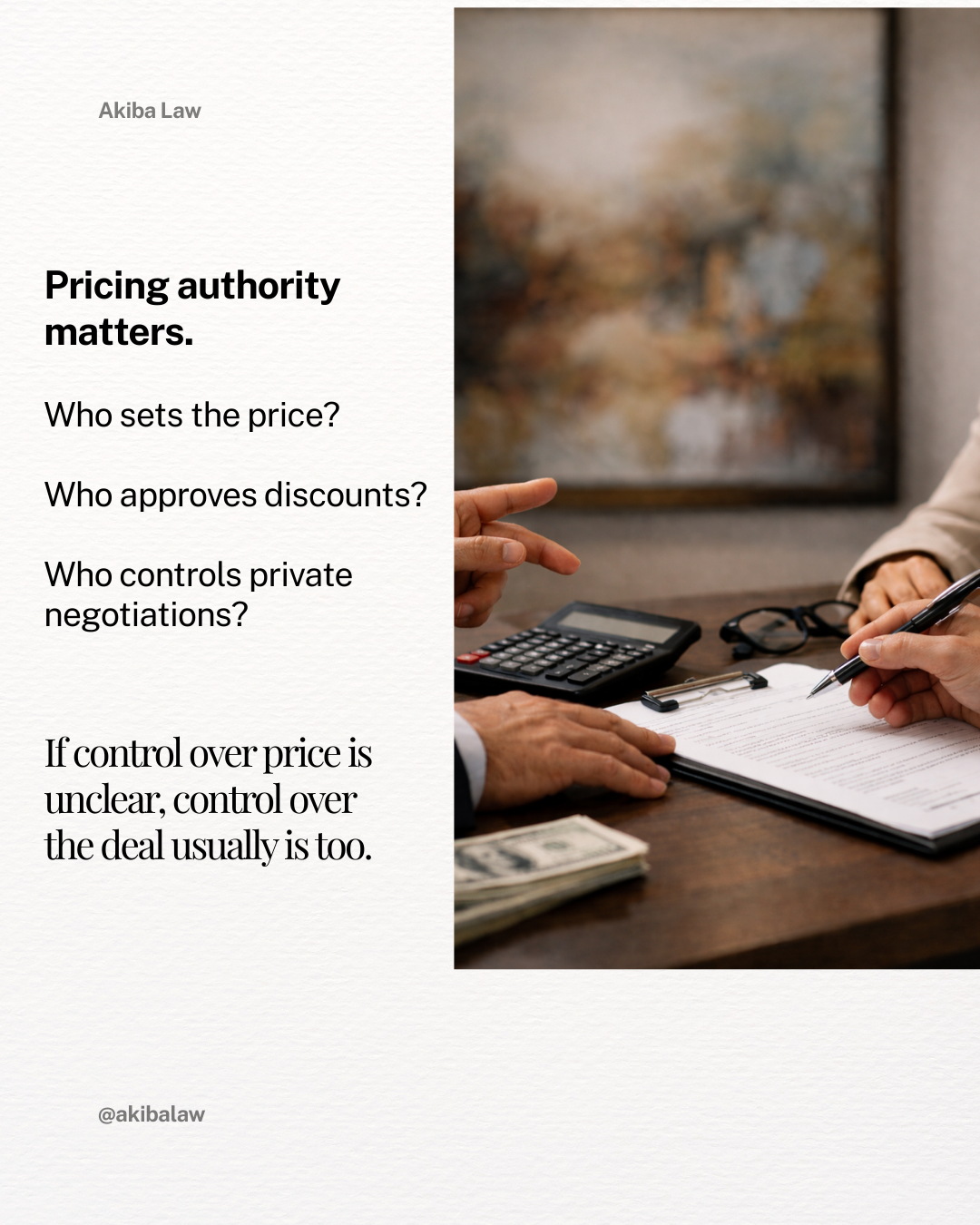
Price control is not a side issue; it is part of the deal.
The agreement should make clear who sets the asking price, whether discounts can be offered, who must approve them, and whether the consignee can negotiate privately without further signoff. Those details matter because price is not just a number. It reflects strategy, leverage, and market positioning.
If the consignee has broad discretion and the consignor has little visibility, the consignor may find out too late that the work was marketed or negotiated in a way they never intended.
The cleaner the pricing authority, the cleaner the sale process usually is.
The reserve question should be addressed early and clearly.

If the work may be sold at auction, the reserve price should not be left for later.
That number can affect whether the work sells at all, how the auction house markets it, and how expectations are managed going into the sale. And even outside a strict auction setting, the same principle applies. The parties should agree in advance on the minimum acceptable sale price and document it clearly.
This avoids a familiar problem: one side assumes there is a floor, while the other side acts as though there is flexibility.
Clarity up front reduces surprises later.
Payment terms are another place where a good agreement protects the consignor.
A completed sale does not always mean immediate payment.
The agreement should address when the consignor gets paid, whether payment depends on the buyer fully funding the purchase, whether the consignee can hold proceeds pending clearance or collection, and what happens if the buyer delays, disputes, or defaults. Those are not minor details. They go directly to risk allocation.
Without clear payment language, a consignor may think the sale is done while still bearing uncertainty about when, and even whether, the proceeds will actually arrive.
A good consignment agreement does not just address how the artwork will be sold. It also addresses how the money comes home.
The larger point is simple.
A consignment arrangement should not rely on assumptions. Not on price. Not on authority. Not on timing. Not on payment.
The stronger agreements are the ones that answer practical questions before the artwork is delivered: Who controls the deal? What approvals are required? What is the minimum acceptable price? When is payment due? What happens if the buyer does not perform?
Those terms can shape the entire outcome.
Because in a consignment relationship, the risk often shows up long after the handoff. And by then, the agreement is either protection or a problem.
This article is for general educational and informational purposes only and does not constitute legal advice.
Akiba Law PLLC is a boutique law firm based in Miami, Florida. The firm represents artists, creators, brands, entrepreneurs, collectors, galleries, and businesses in matters involving art law, intellectual property, trademark protection, copyright, contracts, business disputes, and brand enforcement.
warning Disclaimer
This article is for general educational and informational purposes only and does not constitute legal advice. Reading this article does not create an attorney-client relationship with Akiba Law PLLC or any attorney. Florida law may apply differently depending on the specific facts, legal issues, and parties involved. Individuals and businesses should consult qualified legal counsel about their specific circumstances. For questions, concerns, or additional information, please contact Akiba Law PLLC to speak with a qualified attorney.

From a Real Estate Listing to Restitution: Argentina Orders Return of Nazi-Looted Old Master to Sole Remaining Heir of Jacques Goudstikker
More than eighty years after an Old Master painting disappeared during the Nazi era, an Argentine court has ordered its…

Case Update: Solar Drops Second Gang Starr Lawsuit After Judge Questions Prospect of Duplicative Litigation
When I first wrote about the latest chapter in the legal battle surrounding Gang Starr in September 2025, producer John…

Art Law in Florida: A Practitioner’s Handbook
Akiba Law PLLC is a Miami-based law firm advising artists, collectors, galleries, dealers, auction businesses, museums, and creative entrepreneurs on…

2 Live Crew Tried to Take Back Its Copyrights. A Decades-Old Bankruptcy Got in the Way.
Copyright ownership can last for decades, and the Copyright Act gives many creators an unusual second chance to revisit deals…
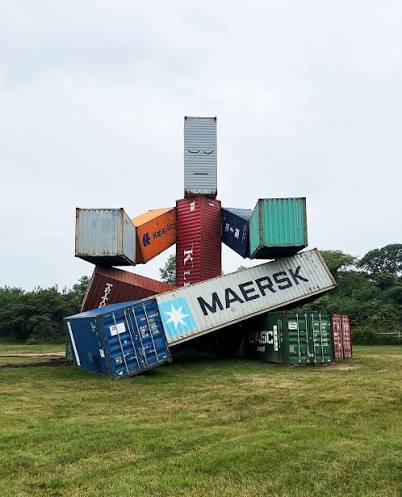
When Does a Sculpture Become a Building? East Hampton’s Lawsuit Over Matt Johnson’s Meditating Figure
Large-scale public and private art installations can raise issues well beyond copyright, contracts, and exhibition agreements. Once an artwork reaches…
Eden Gallery Sues Collector Over Alleged $822,390 Unpaid Balance: Lessons for Art Sales on Credit
High-value art transactions are often built on relationships. A collector may purchase repeatedly from the same gallery, payments may be…
MoMA v. MOMACHA: Trademark Strength, Brand Similarity, and Consumer Confusion
A trademark dispute does not always begin with two businesses offering the same product. Confusion can arise when a newer…

When a $2.5 Million Art Loan Ends in Litigation: Lessons for Galleries, Curators, and Property Owners
Long-term art placements can benefit everyone involved. Galleries gain access to potential collectors, property owners enhance their spaces, and residents…

When a Gallery Sells Consigned Art but Does Not Pay the Artist: The Hole Lawsuit and New York’s Trust-Fund Rules
An artwork consignment is not simply an informal arrangement in which a gallery agrees to sell a work and pay…
Your Logo Is on the Shirt. Does That Count as Trademark Use?
Launching a clothing brand involves more than creating a name, designing a logo, and placing it on a garment. How…

45 Antiquities Seized from the Metropolitan Museum of Art: Provenance, Repatriation, and the Importance of Due Diligence
On July 8, 2026, the Manhattan District Attorney’s Office announced the return of 59 antiquities, collectively valued at more than…

Florida Interior Designers and Decorators: Are You Regulated? Do You Need a License?
Interior designers and decorators in Florida often face a practical question: am I subject to Florida regulation, and do I…