Mystery Boxes, Brand Names & Legal Risk — A Closer Look at RillaBox
Mystery-box platforms like RillaBox are gaining popularity. For consumers they promise thrill and surprise. For brands and the law? There are several issues demanding attention. At Akiba Law we’ve reviewed RillaBox in depth — how it works, sourcing theories, Terms & Conditions, risks, and IP concerns with luxury brands. Here are our thoughts and findings.
How RillaBox Appears to Work
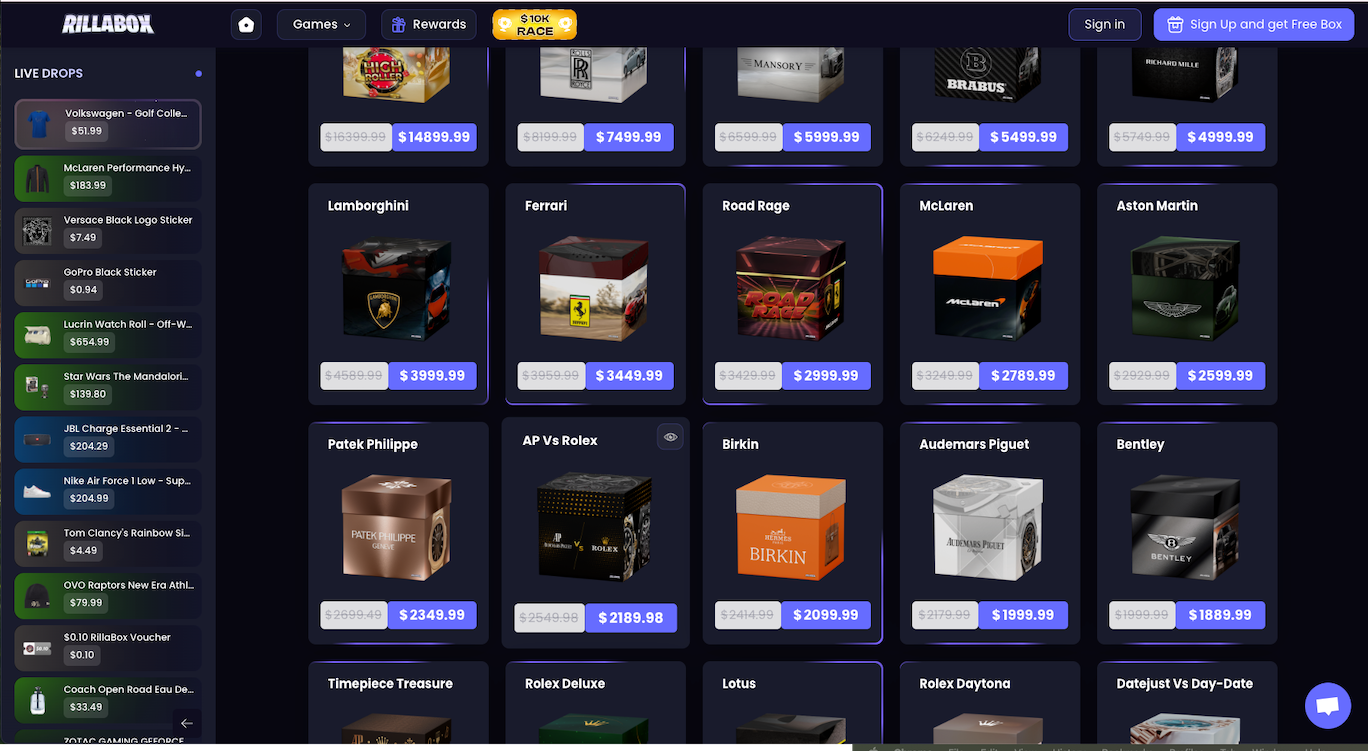
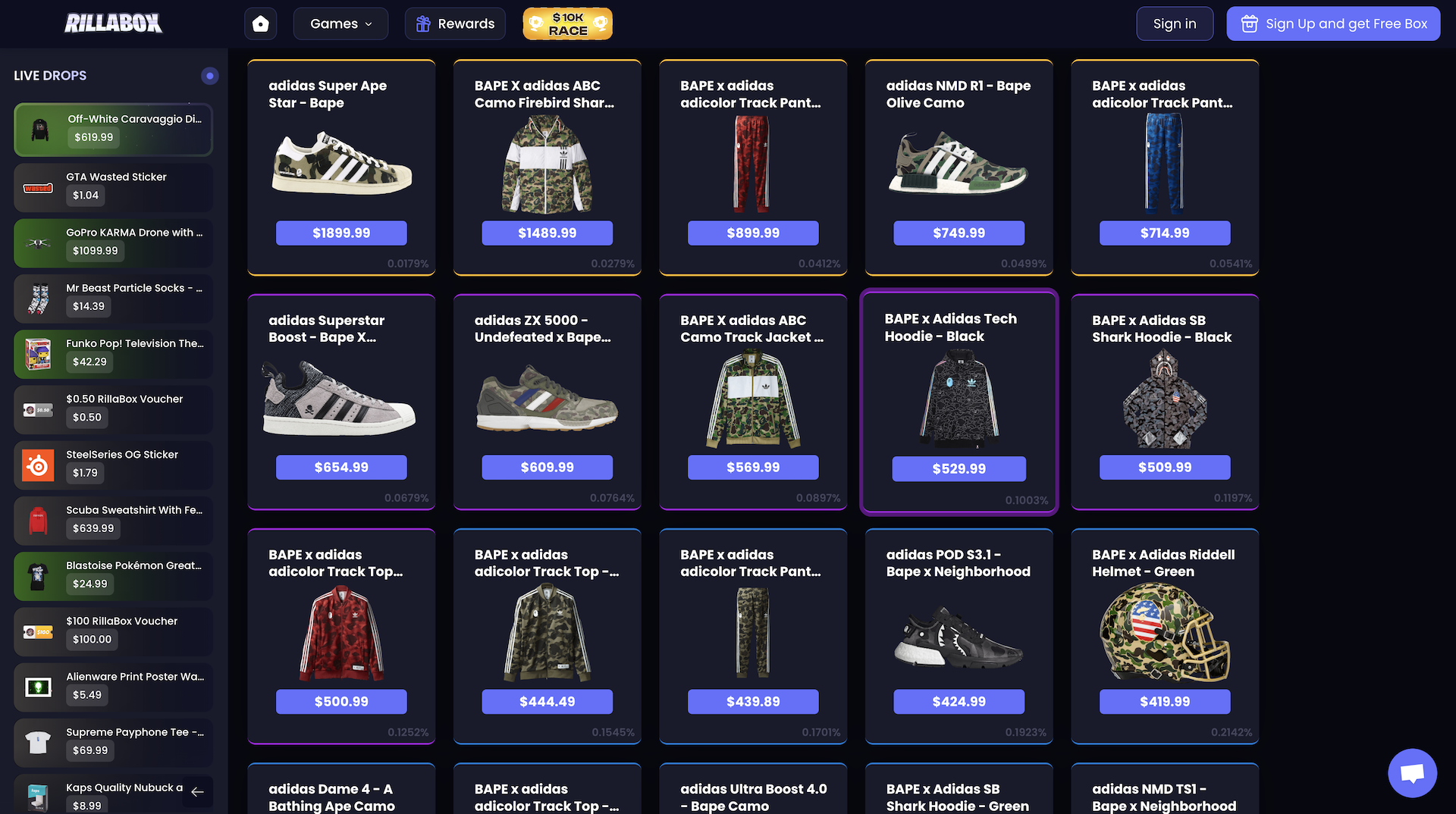
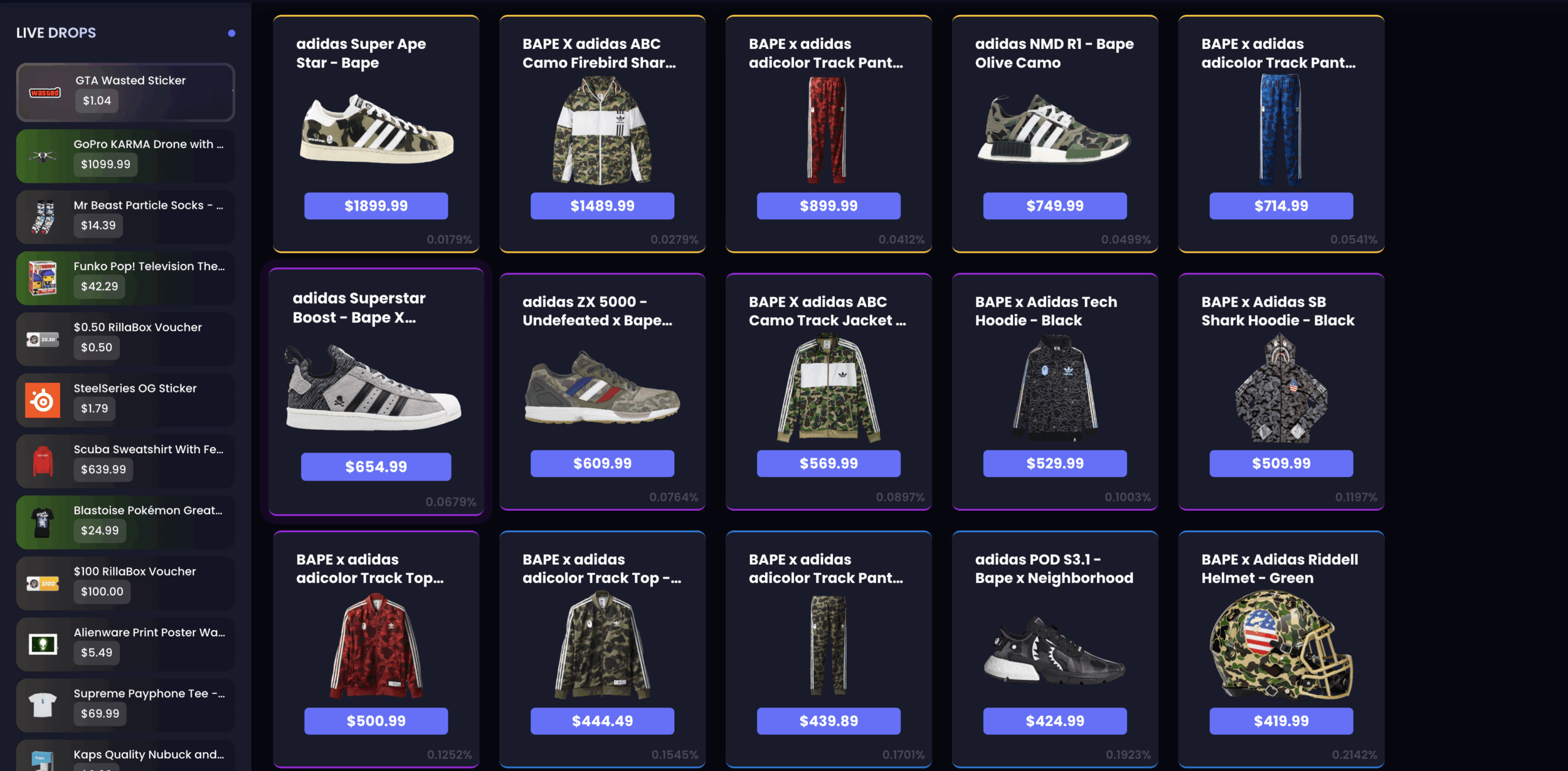
Users pay to open a “box,” often themed around luxury brands like a “Rolex Box” or “Porsche Box.” Flashing panels display high-value prizes such as an actual Rolex or Porsche mixed with low-value items like stickers, and contents are revealed only after purchase. RillaBox claims its prizes are authentic, sourced through third-party vendors or official channels, and shipped within 7–21 days. It also markets itself as “provably fair,” though it offers little explanation of how that system functions in practice.
Do Higher-Priced Boxes Mean Better Odds?
One important consumer question is whether paying more for a “premium” box truly increases the likelihood of winning higher-value prizes:
- Marketing Suggestion: The platform tends to theme more expensive boxes around luxury goods (e.g., “Rolex Box”), which creates the impression that higher spend = higher chance of a high-end win.
- What’s Disclosed: RillaBox does not publish fully transparent odds for each box in its Terms of Service or public FAQs. While it may use “provably fair” language, the mechanics of how price correlates with probability are not disclosed in a way consumers can easily verify.
- Legal Risk: If the price of the box does not correlate in a fair or proportional way to the advertised prize pool, regulators could view this as misleading or deceptive marketing. Consumers could argue they were induced to spend more under the belief of improved odds when, in reality, the probabilities may remain constant.
- Gambling Analogy: In traditional sweepstakes or lotteries, higher ticket prices often yield better odds or larger prize pools — but consumer protection laws typically require disclosure of those odds. Mystery-box operators risk similar scrutiny if they fail to provide transparency.
Intellectual Property Concerns for Big Brands
Using luxury brand names in mystery boxes raises serious IP and trademark law issues. These are exactly the kinds of cases luxury brands aggressively pursue:
- Trademark Infringement if use of names/logos implies affiliation.
- False Endorsement if consumers reasonably think the box is brand-sponsored.
- Fair Use Limits when describing genuine goods, which must be truthful and not misleading.
- Dilution/Tarnishment claims if luxury marks are diminished by association.
Where the Risks Possibly Arise
1. Misrepresentation of Odds or Fairness
If the platform suggests certain chances of winning high-value items but the odds are materially lower (or not as advertised), that can be considered a deceptive practice.
Saying a platform is “provably fair” without a transparent, verifiable mechanism may also be misleading if consumers can’t reasonably validate it.
2. Misleading Use of Brand Names
Marketing boxes as “Rolex” or “Porsche” without clear disclosure that there is no affiliation could mislead consumers into thinking the brands sponsor or endorse the service. That’s not only trademark risk, but also a false or deceptive representation under consumer protection laws.
3. Advertising & Authenticity Claims
If items are described as “100% authentic” but turn out not to be, or if shipping times (“7–21 days”) aren’t honored, those are false advertising issues.
Even small discrepancies (e.g., delivering a slightly different model than advertised) can be flagged under unfair trade practice statutes.
4. Refunds, Returns, and Withholding Winnings
If users win a prize but the company stalls or refuses to ship, that could be seen as unfair or unconscionable conduct.
Some users have complained about delayed or non-delivery — if systemic, regulators may view that as deceptive or unfair.
5. Gambling / Lottery Characterization
If the mechanics resemble a lottery or game of chance where the odds favor the operator, regulators may classify it as gambling. Offering gambling-like services without proper licensing could be considered both unfair and illegal trade practice.

Weaknesses / Risky Gaps in the TOS
- Ambiguity in Odds / “Provably Fair” Claim
The TOS is not very detailed (in the public version) about how “provably fair” is implemented, how odds are calculated or disclosed. Without clear metrics, that claim could be challenged under deceptive trade practices or consumer protection laws. - Brand Usage / Trademarks
The Terms may disclaim infringement, but they don’t appear (in what is publicly visible) to provide express permission or licensing from Rolex, Porsche, or any luxury brand whose marks are used in box titles. Without permission, RillaBox remains exposed to claims of trademark infringement or false endorsement. - Enforcement & Remedies
If items are misrepresented, not delivered, or delayed, the TOS may limit user remedies (refunds, compensation). Some clauses likely limit what users can claim — but such limitations may not always be enforceable under some jurisdictions or consumer protection laws, particularly if a law says certain rights can’t be waived. - Jurisdictional / Regulatory Non-Compliance Risk
The governing law clause can help RillaBox, but users in different states/countries may have stronger consumer protection statutes which override or limit certain disclaimers (especially in the U.S.). If RillaBox’s TOS tries to contract out of such protections, there may be legal pushback.
Bottom Line:
RillaBox offers an exciting but risky model. While its Terms provide some cover, lack of transparency around odds, sourcing, and brand usage places it in a legal gray area. For consumers, caution is warranted. For luxury brands, vigilance is essential. And for operators, compliance and transparency are the difference between innovation and litigation.
This article is for general educational and informational purposes only and does not constitute legal advice.
Akiba Law PLLC is a boutique law firm based in Miami, Florida. The firm represents artists, creators, brands, entrepreneurs, collectors, galleries, and businesses in matters involving art law, intellectual property, trademark protection, copyright, contracts, business disputes, and brand enforcement.
warning Disclaimer
This article is for general educational and informational purposes only and does not constitute legal advice. Reading this article does not create an attorney-client relationship with Akiba Law PLLC or any attorney. Florida law may apply differently depending on the specific facts, legal issues, and parties involved. Individuals and businesses should consult qualified legal counsel about their specific circumstances. For questions, concerns, or additional information, please contact Akiba Law PLLC to speak with a qualified attorney.

Case Update: Solar Drops Second Gang Starr Lawsuit After Judge Questions Prospect of Duplicative Litigation
When I first wrote about the latest chapter in the legal battle surrounding Gang Starr in September 2025, producer John…

Art Law in Florida: A Practitioner’s Handbook
Akiba Law PLLC is a Miami-based law firm advising artists, collectors, galleries, dealers, auction businesses, museums, and creative entrepreneurs on…

2 Live Crew Tried to Take Back Its Copyrights. A Decades-Old Bankruptcy Got in the Way.
Copyright ownership can last for decades, and the Copyright Act gives many creators an unusual second chance to revisit deals…
When Does a Sculpture Become a Building? East Hampton’s Lawsuit Over Matt Johnson’s Meditating Figure
Large-scale public and private art installations can raise issues well beyond copyright, contracts, and exhibition agreements. Once an artwork reaches…
Eden Gallery Sues Collector Over Alleged $822,390 Unpaid Balance: Lessons for Art Sales on Credit
High-value art transactions are often built on relationships. A collector may purchase repeatedly from the same gallery, payments may be…

MoMA v. MOMACHA: Trademark Strength, Brand Similarity, and Consumer Confusion
A trademark dispute does not always begin with two businesses offering the same product. Confusion can arise when a newer…

When a $2.5 Million Art Loan Ends in Litigation: Lessons for Galleries, Curators, and Property Owners
Long-term art placements can benefit everyone involved. Galleries gain access to potential collectors, property owners enhance their spaces, and residents…

When a Gallery Sells Consigned Art but Does Not Pay the Artist: The Hole Lawsuit and New York’s Trust-Fund Rules
An artwork consignment is not simply an informal arrangement in which a gallery agrees to sell a work and pay…
Your Logo Is on the Shirt. Does That Count as Trademark Use?
Launching a clothing brand involves more than creating a name, designing a logo, and placing it on a garment. How…

45 Antiquities Seized from the Metropolitan Museum of Art: Provenance, Repatriation, and the Importance of Due Diligence
On July 8, 2026, the Manhattan District Attorney’s Office announced the return of 59 antiquities, collectively valued at more than…

Florida Interior Designers and Decorators: Are You Regulated? Do You Need a License?
Interior designers and decorators in Florida often face a practical question: am I subject to Florida regulation, and do I…
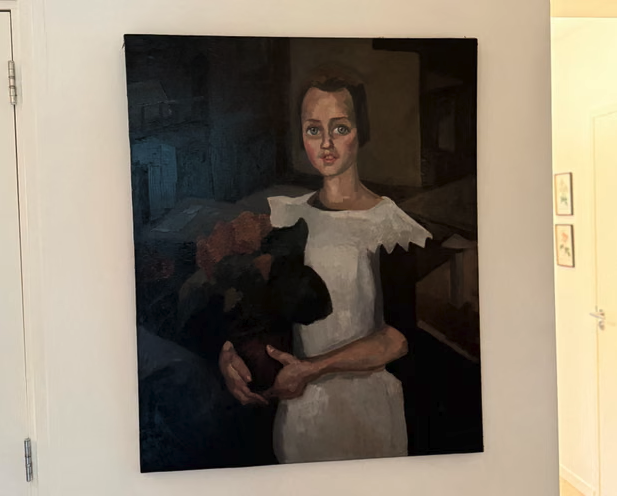
Jacques Goudstikker’s Stolen Collection Is Still Being Found and Returned
Restitution can’t undo the Holocaust but it can return what was taken and every returned work matters. A Nazi-looted painting…