Florida’s Chapter 686: The Fine Print That Can Rewrite Your Art Deals
If you are an art dealer or an art lawyer representing art dealers in Florida, it is imperative you have working knowledge of Chapter 686, particularly Section 686.501-506, which may contradict your typical understanding of express and implied warranties under Article 2 of the UCC. A few highlights:
686.502: When an art dealer receives artwork from a consignor for sale or exhibition, the dealer acts as the consignor’s agent, must notify the public that the artwork is on consignment, hold the sale proceeds in trust for the consignor, and any contract clause waiving these rights is invalid.

686.503: When consignee accepts artwork for sale or exhibition, a written contract must be made between the consignor and consignee, ensuring the consignor receives sale proceeds as agreed, the dealer is liable for any loss or damage, the artwork is sold at the agreed-upon reserve price, used only with the consignor’s consent and the artist’s acknowledgment of such use or display, and the artist’s share of the proceeds may take priority over the dealer’s creditors “notwithstanding any provisions of the Uniform Commercial Code.”
686.504: Significantly limits an art dealers’ ability to limit warranties going to a work of art’s authenticity and/or authorship. For instance, when an art dealer sells or exchanges a work of art and provides a written description identifying its authorship, this description creates an express warranty of authenticity.
686.505: Words creating an express warranty of a work of art’s authenticity and words negating or limiting this warranty must be reasonably consistent; any negation or limitation is invalid if it is unreasonable, inconspicuous, or if the artwork is counterfeit or falsely described.
686.506(3): ” An art dealer whose warranty of authenticity of authorship was made in good faith shall not be liable for damages beyond the return of the purchase price which he or she received, together with any attorney’s fees and costs incurred by reason of the art dealer’s refusal to comply with ss. 686.501-686.506.”
Akiba Law PLLC is a boutique law firm based in Miami, Florida. The firm represents artists, creators, brands, entrepreneurs, collectors, galleries, and businesses in matters involving art law, intellectual property, trademark protection, copyright, contracts, business disputes, and brand enforcement.
warning Disclaimer
This article is for general educational and informational purposes only and does not constitute legal advice. Reading this article does not create an attorney-client relationship with Akiba Law PLLC or any attorney. Florida law may apply differently depending on the specific facts, legal issues, and parties involved. Individuals and businesses should consult qualified legal counsel about their specific circumstances. For questions, concerns, or additional information, please contact Akiba Law PLLC to speak with a qualified attorney.
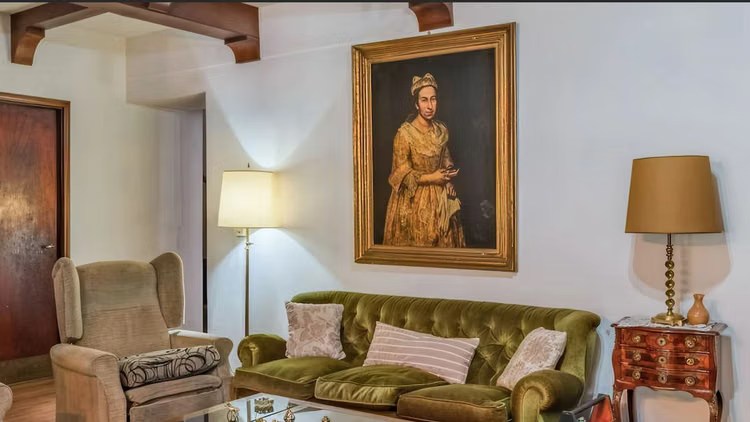
From a Real Estate Listing to Restitution: Argentina Orders Return of Nazi-Looted Old Master to Sole Remaining Heir of Jacques Goudstikker
More than eighty years after an Old Master painting disappeared during the Nazi era, an Argentine court has ordered its…

Case Update: Solar Drops Second Gang Starr Lawsuit After Judge Questions Prospect of Duplicative Litigation
When I first wrote about the latest chapter in the legal battle surrounding Gang Starr in September 2025, producer John…

Art Law in Florida: A Practitioner’s Handbook
Akiba Law PLLC is a Miami-based law firm advising artists, collectors, galleries, dealers, auction businesses, museums, and creative entrepreneurs on…

2 Live Crew Tried to Take Back Its Copyrights. A Decades-Old Bankruptcy Got in the Way.
Copyright ownership can last for decades, and the Copyright Act gives many creators an unusual second chance to revisit deals…
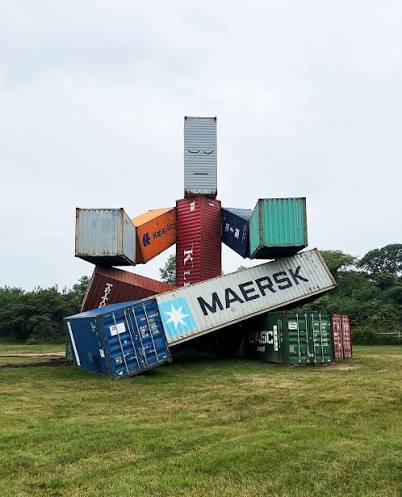
When Does a Sculpture Become a Building? East Hampton’s Lawsuit Over Matt Johnson’s Meditating Figure
Large-scale public and private art installations can raise issues well beyond copyright, contracts, and exhibition agreements. Once an artwork reaches…
Eden Gallery Sues Collector Over Alleged $822,390 Unpaid Balance: Lessons for Art Sales on Credit
High-value art transactions are often built on relationships. A collector may purchase repeatedly from the same gallery, payments may be…
MoMA v. MOMACHA: Trademark Strength, Brand Similarity, and Consumer Confusion
A trademark dispute does not always begin with two businesses offering the same product. Confusion can arise when a newer…

When a $2.5 Million Art Loan Ends in Litigation: Lessons for Galleries, Curators, and Property Owners
Long-term art placements can benefit everyone involved. Galleries gain access to potential collectors, property owners enhance their spaces, and residents…

When a Gallery Sells Consigned Art but Does Not Pay the Artist: The Hole Lawsuit and New York’s Trust-Fund Rules
An artwork consignment is not simply an informal arrangement in which a gallery agrees to sell a work and pay…

Your Logo Is on the Shirt. Does That Count as Trademark Use?
Launching a clothing brand involves more than creating a name, designing a logo, and placing it on a garment. How…

45 Antiquities Seized from the Metropolitan Museum of Art: Provenance, Repatriation, and the Importance of Due Diligence
On July 8, 2026, the Manhattan District Attorney’s Office announced the return of 59 antiquities, collectively valued at more than…

Florida Interior Designers and Decorators: Are You Regulated? Do You Need a License?
Interior designers and decorators in Florida often face a practical question: am I subject to Florida regulation, and do I…