Hermès Beats Birkin “Tying” Case in N.D. Cal.—Key Takeaways for Scarcity-Driven Brands
A California federal judge dismissed—with prejudice—the proposed class action claiming Hermès illegally conditioned access to Birkin (and Kelly) bags on customers’ prior purchases of scarves, jewelry, home goods, etc. The court found the plaintiffs failed to plausibly define a relevant market, show Hermès had market power in the “tying” product, or allege anti-competitive harm in any coherent “tied” market—pointing out that market share does not equate to market power and that lumping varied ancillary goods together was legally insufficient.

Even under a per se tying theory, the judge emphasized that reserving a highly coveted product for top spenders “is not an antitrust violation” absent foreclosure of competition. Federal claims were dismissed with prejudice; the court declined supplemental jurisdiction over remaining California claims.
Pretty nice blueprint for luxury brands that manage access via spend histories or relationship selling: it appears that scarcity and gatekeeping alone don’t violate U.S. antitrust law without credible market definition, power, and competitive harm. Still, brands should align access policies with clear disclosures to minimize false-advertising and unfair and deceptive trade practices allegations, maintain consistent clienteling documentation, and avoid practices that could be framed as exclusionary conduct if market dynamics shift.
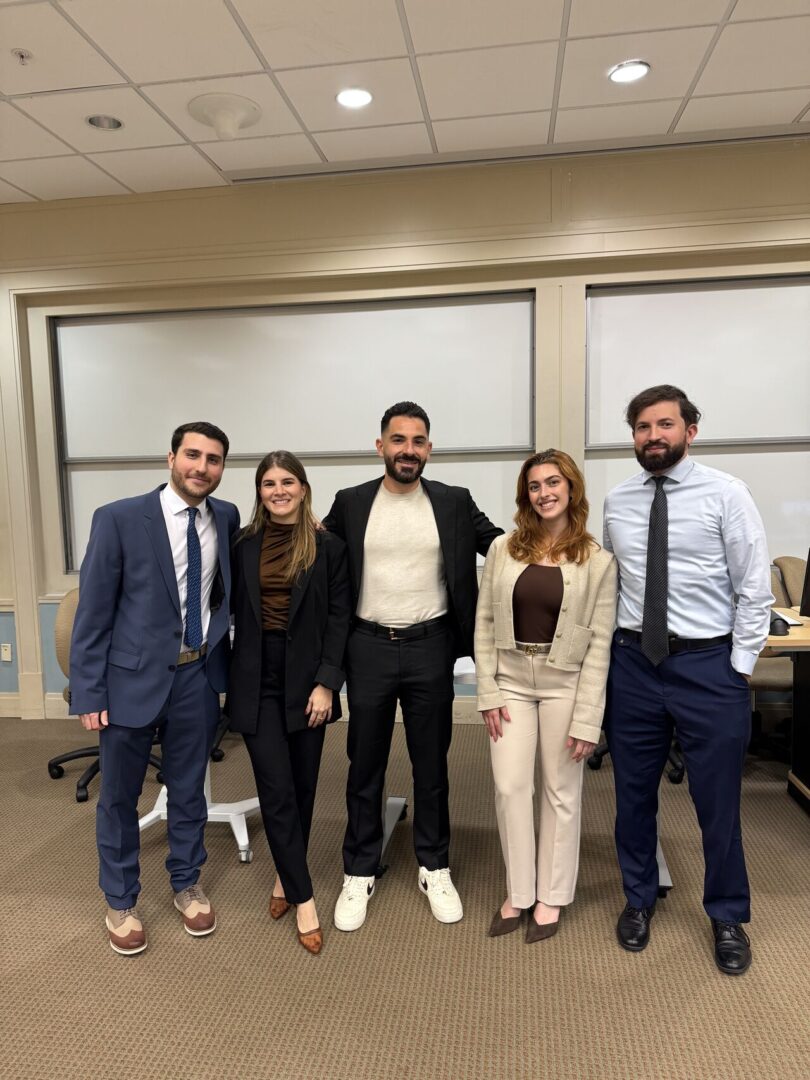
Always Learning, Always Contributing: Reflections from Two Recent Speaking Engagements
One of the core values at Akiba Law is simple: Always Learning, Always Contributing. This principle guides how I serve…
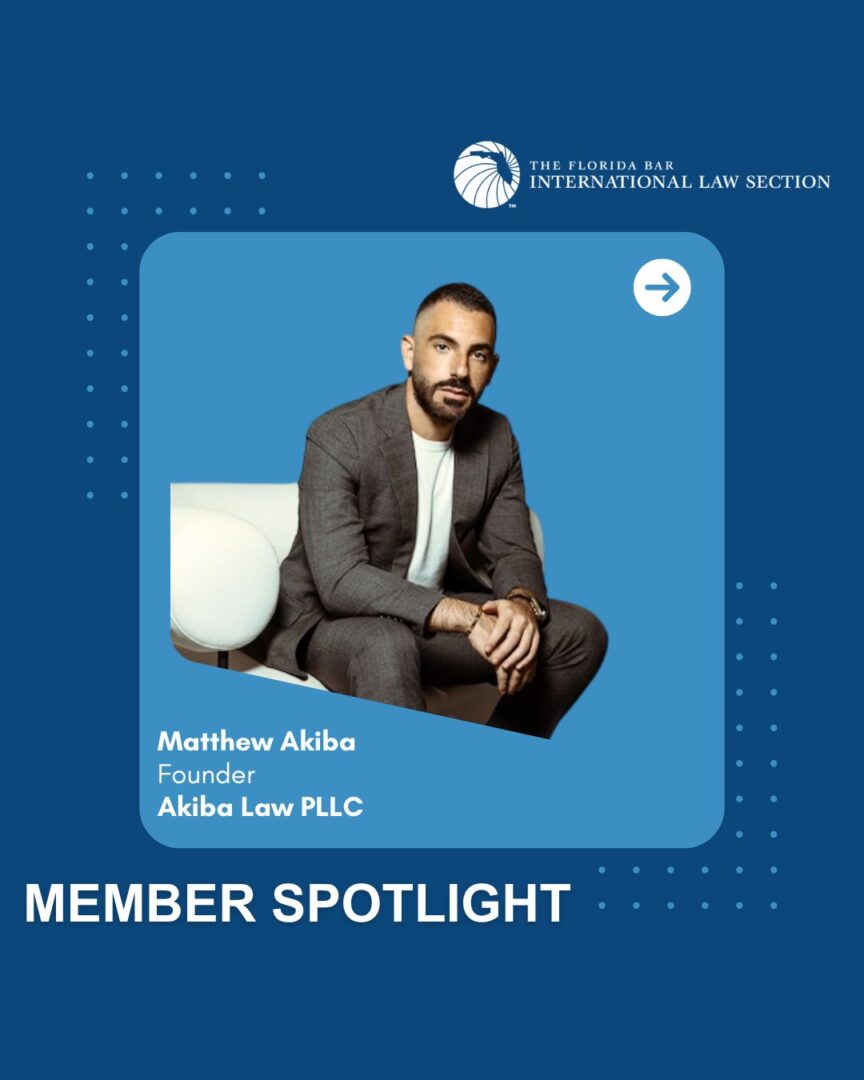
The Florida Bar International Law Section Spotlights Matthew Akiba
I’m grateful to share that The Florida Bar International Law Section (ILS) recently featured me on their LinkedIn page. As…

Mystery Boxes, Brand Names & Legal Risk — A Closer Look at RillaBox
Mystery-box platforms like RillaBox are gaining popularity. For consumers they promise thrill and surprise. For brands and the law? There…

Florida’s Museum Loan Law: What Lenders, Estates, and Museums Need to Know (F.S. §267.0723).
Florida has legislated clear rules for property loaned to museums—and what happens when lenders go quiet. Museums must keep written…

Florida’s Chapter 686: The Fine Print That Can Rewrite Your Art Deals
If you are an art dealer or an art lawyer representing art dealers in Florida, it is imperative you have…
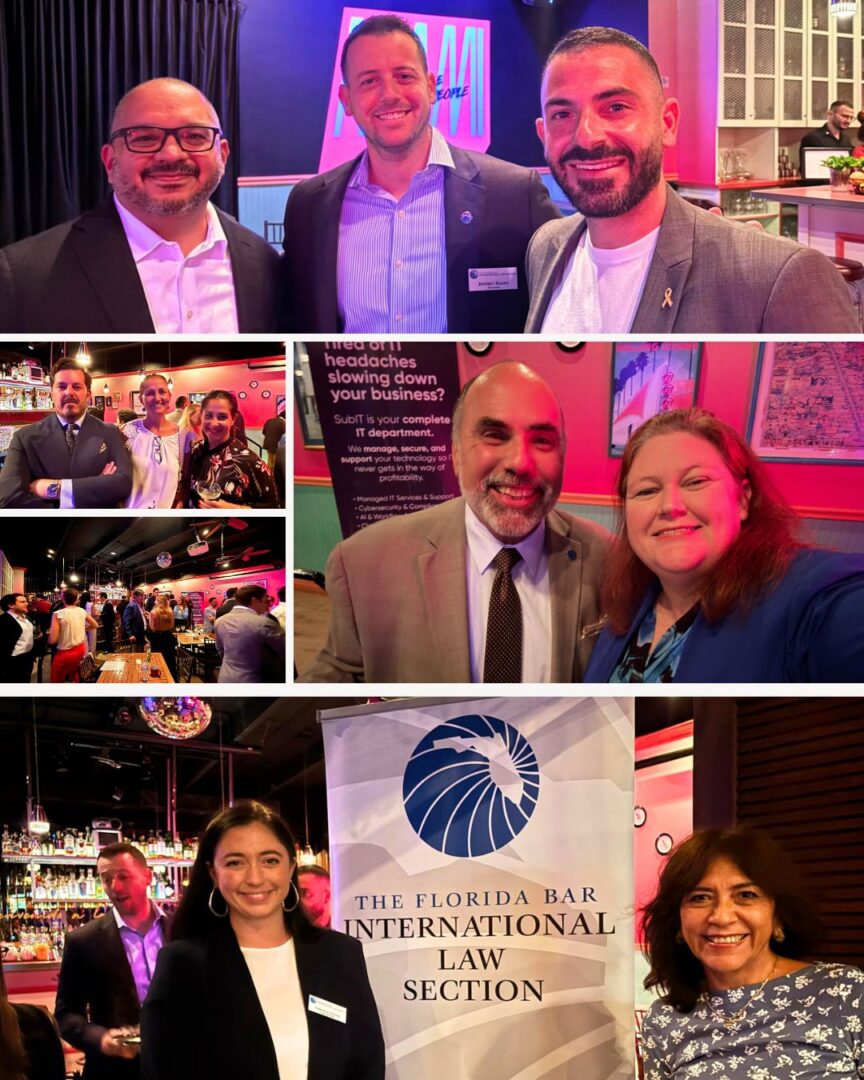
Akiba Law Founder Matthew Akiba Attends ILS End of Summer Happy Hour
Akiba Law Founder Matthew Akiba attends the End of Summer Happy Hour hosted by International Law Section of the Florida…

Sampling the Legends—Or Stealing? Three Six Mafia Sues $uicideboy$ Again
Three Six Mafia sues rap duo $uicideboy$ a second time for copyright infringement. With one quick listen of any song…

The Battle Over ‘Gang Starr’: Solar’s Second Strike Against DJ Premier
For a second time, the “Most Evil Man in Hip-Hop” strikes again, coming after the late Guru and DJ Premier,…
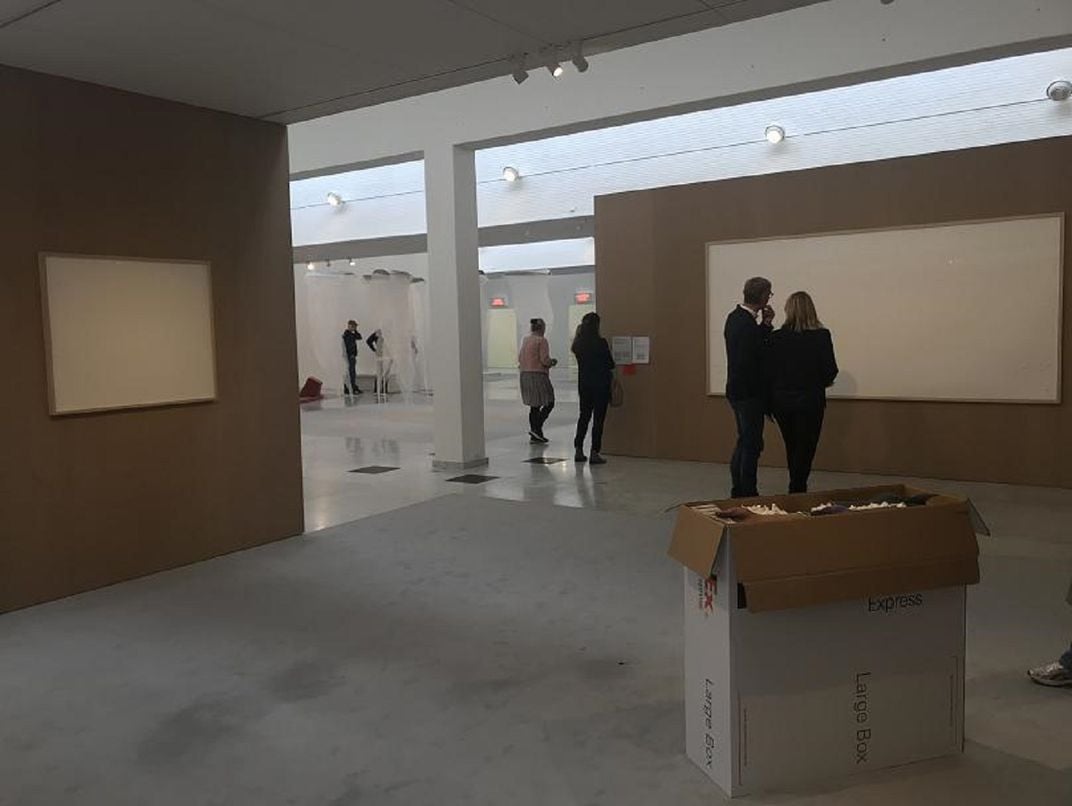
The Price of Nothing: How a Blank Canvas Sparked a Legal Battle
As an art lawyer, I find the case of Jens Haaning’s “Take the Money and Run” both fascinating and thought-provoking,…
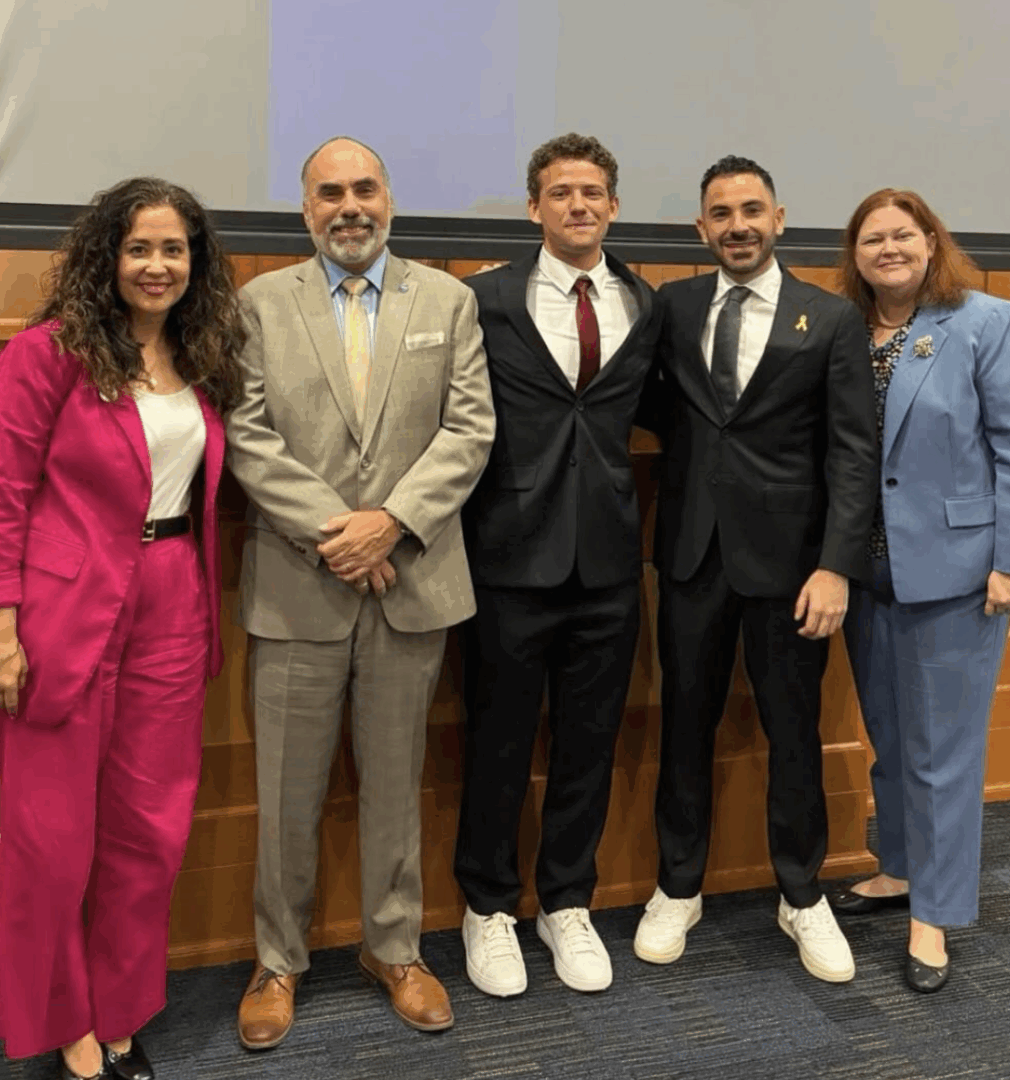
Matthew Discusses Recent Developments in Art Law at FIU Law 2025 SEFA Annual Symposium
Our founder, Matthew Akiba, participated in the 2025 SEFA Annual Symposium at the FIU College of Law where he was…